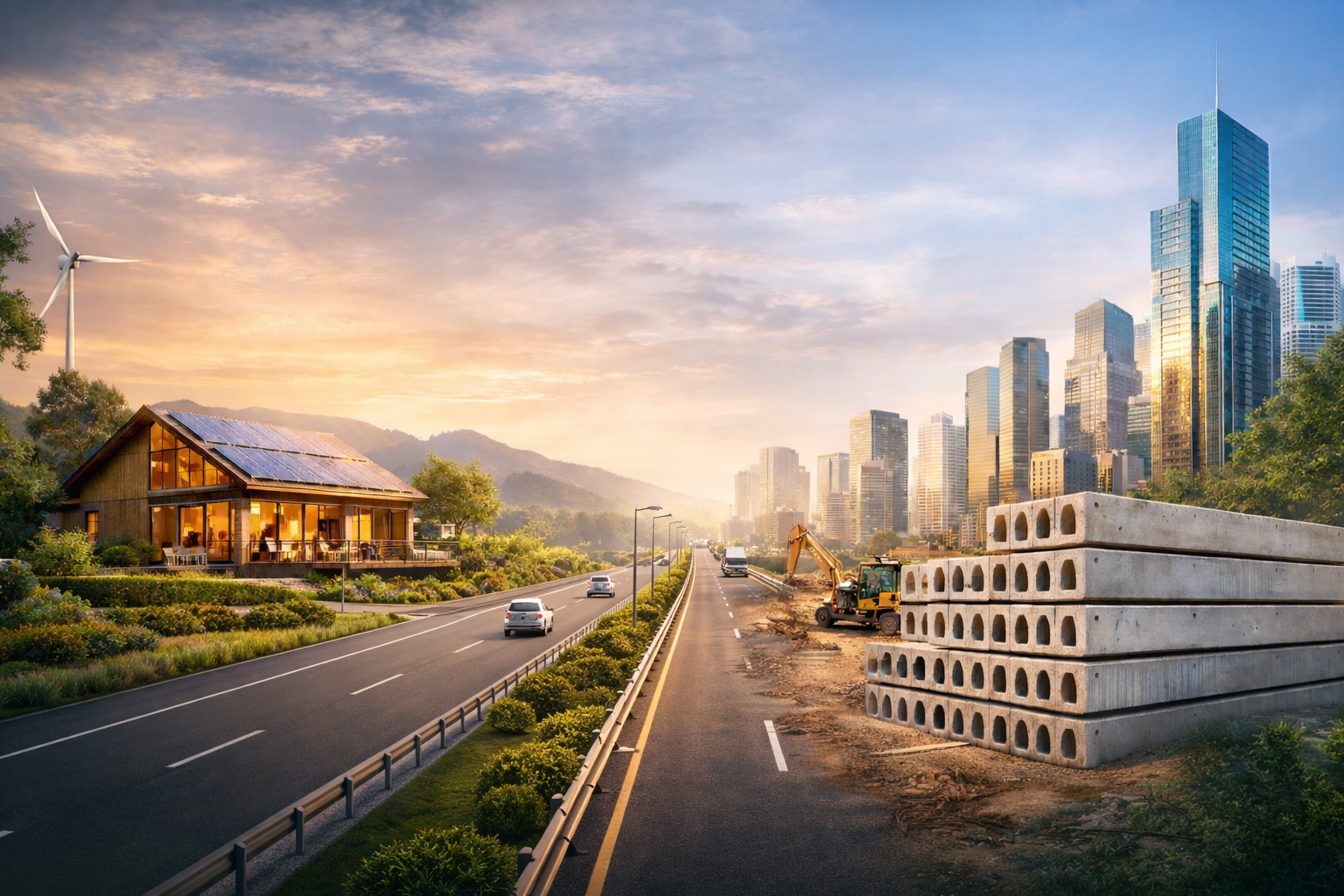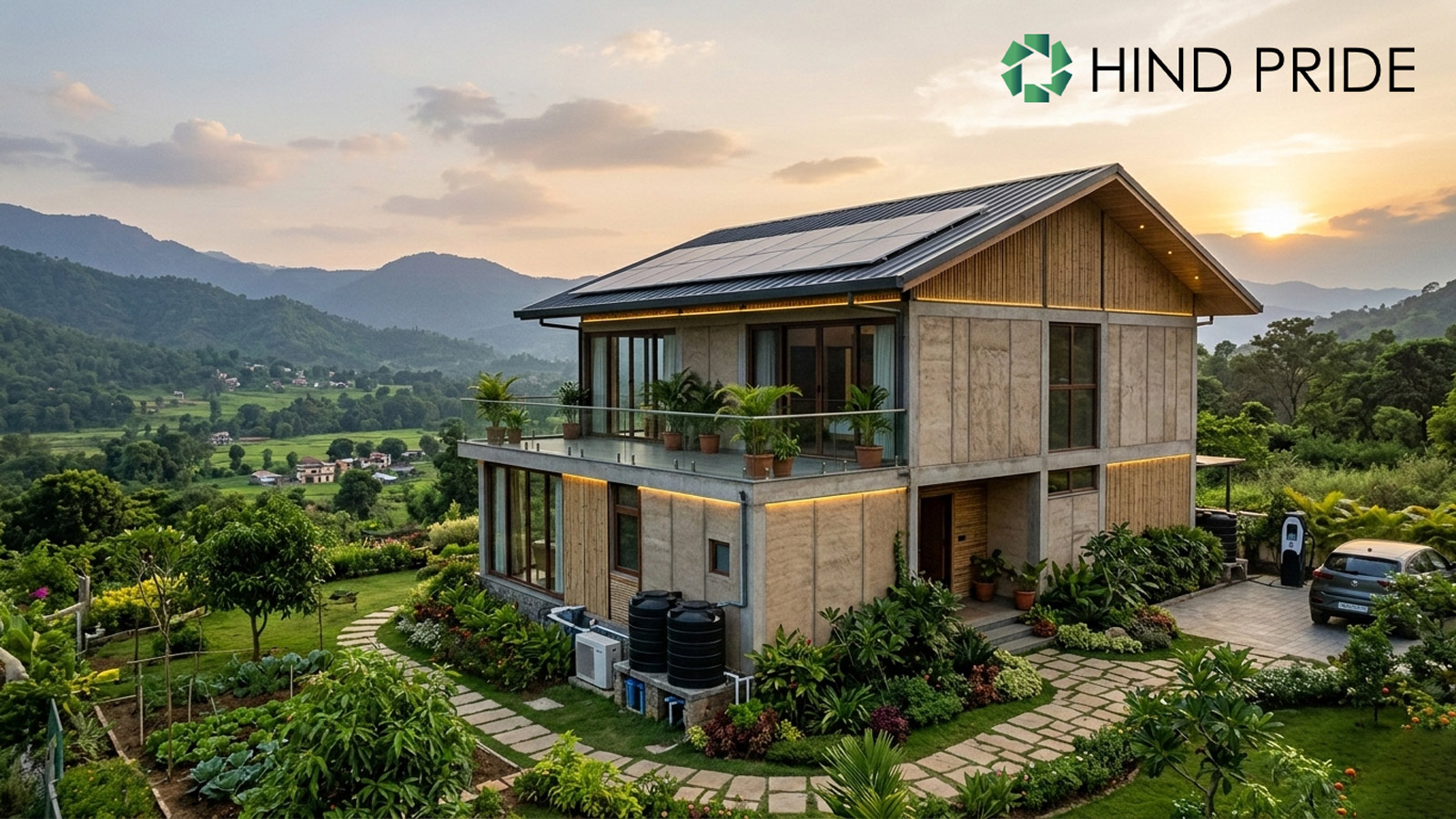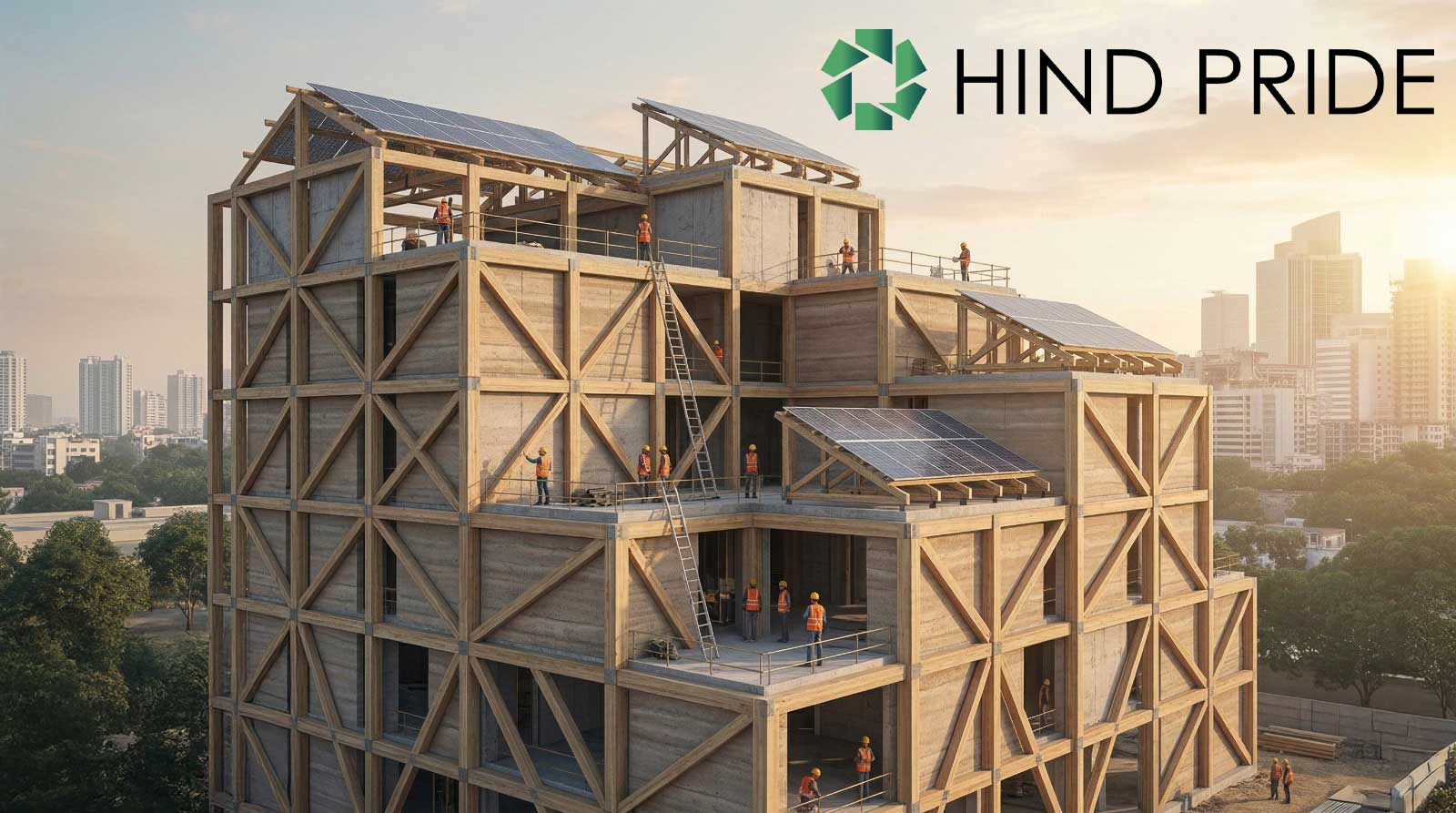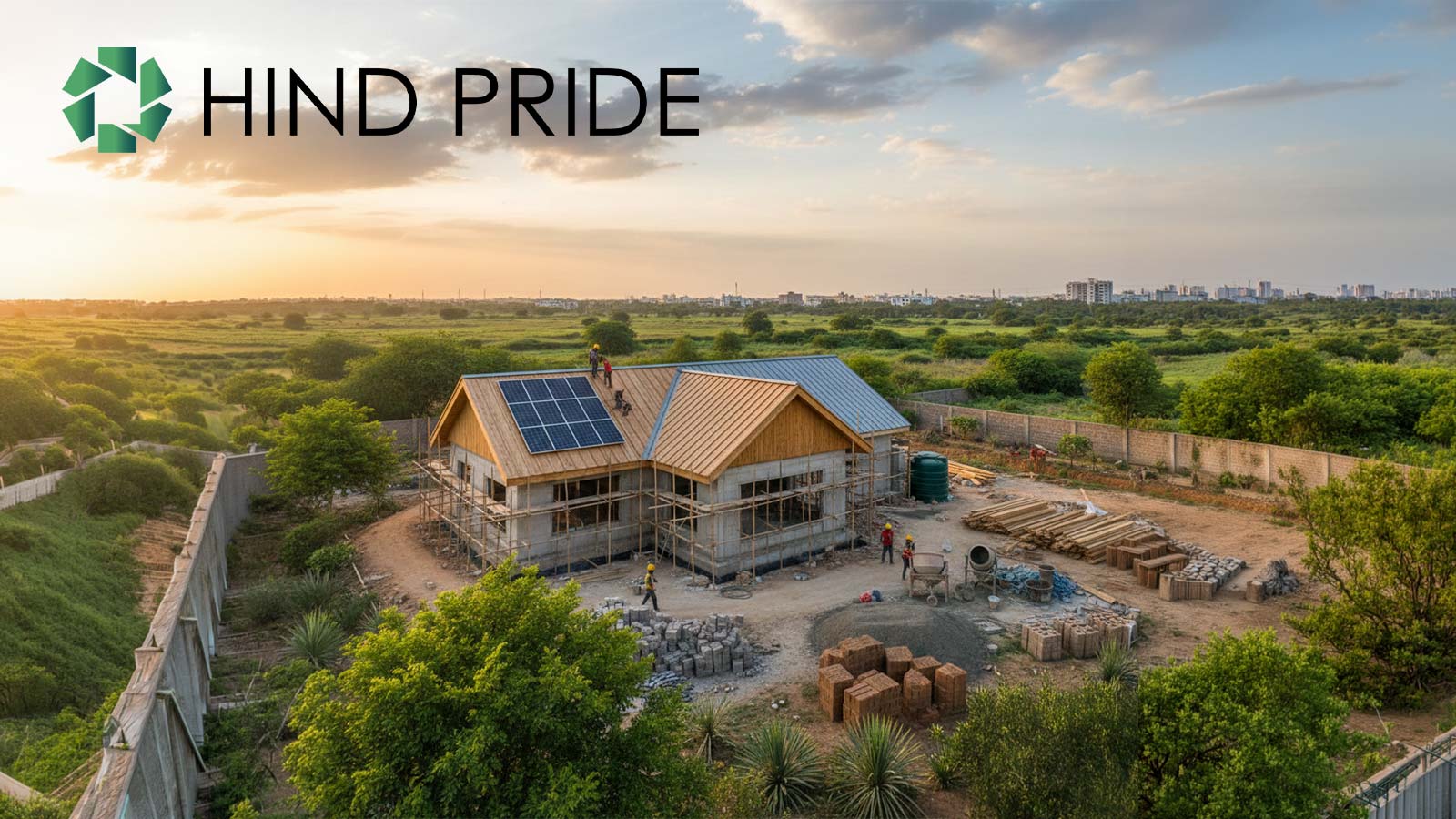
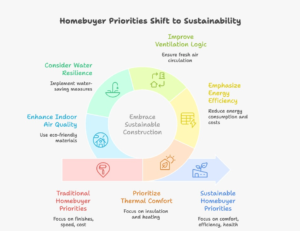
In 2026, homebuyers in NCR are thinking differently about what makes a “good home.” The conversation has shifted from purely visual upgrades to deeper performance questions: How does this home handle heat? How does it manage water? What will my electricity bills look like in five years? How healthy will indoor air feel for my family?
This shift is not about trends or criticism of existing construction practices. NCR continues to be one of India’s most dynamic real estate regions, with strong infrastructure growth, expanding urban planning, and evolving residential standards. What is changing is buyer awareness.
As a result, many families today begin their research by looking for the best sustainable construction company in Noida, not because other models are invalid, but because sustainability now represents long-term thinking, measurable performance, and resilience.
This article explores why this shift is happening in 2026—using data, frameworks, and practical reasoning.
Today’s homebuyer is more research-driven than ever. Access to online resources, government data portals, and global building standards has made families more aware of how buildings affect:
A home is no longer evaluated only on aesthetics or size. It is evaluated as a living system.
This is why the search for the best sustainable construction company in Noida is rising. Sustainability has become shorthand for thoughtful planning, responsible material use, and performance-oriented construction.
Across India, climate resilience has become part of infrastructure discussions. Government and global agencies regularly publish climate and environmental assessments that shape policy and awareness.
Heat resilience in urban environments is increasingly discussed worldwide. In warm regions like NCR, passive design strategies—such as shading, ventilation planning, and reducing direct heat gain—can improve comfort significantly.
This is where buyers begin asking deeper questions. When they search for the best sustainable construction company in Noida, they often want to understand:
This isn’t about rejecting traditional practices. It’s about integrating climate-aware thinking into modern homes.
Energy Efficiency: From “Eco” to Everyday Economics
Electricity consumption has become a long-term household consideration. Efficient homes can reduce operational costs over time.
India’s Bureau of Energy Efficiency (BEE) provides guidelines through frameworks like the Energy Conservation Building Code (ECBC), which establishes principles for reducing energy demand in buildings.
While not all residential projects are mandated under ECBC, the design principles—such as envelope efficiency, glazing considerations, and lighting optimization—have influenced modern construction thinking.
When buyers search for the best sustainable construction company in Noida, they are often seeking builders who incorporate:
This is not about labeling a home “green.” It is about ensuring efficiency is embedded in design decisions.
Global and national health bodies have increasingly highlighted indoor air quality as a critical factor in wellbeing.
While outdoor air quality discussions are ongoing nationwide, indoor environmental quality is something construction can influence directly through:
In 2026, buyers often ask the best sustainable construction company in Noida about:
These questions reflect awareness—not criticism. They demonstrate that buyers want healthier, more durable homes.
Water security is a planning priority in many Indian cities. Institutions like NITI Aayog have published reports highlighting water management importance at the national level.
Sustainable residential planning often includes:
When evaluating the best sustainable construction company in Noida, buyers often inquire about how water systems are integrated—not just installed.
A home that handles water responsibly often experiences fewer maintenance disruptions over time.
One of the biggest evolutions in 2026 is lifecycle awareness.
Instead of focusing only on construction cost, buyers now consider:
The World Green Building Council discusses how better-designed buildings often deliver operational and well-being benefits over time.
This does not mean traditional construction is flawed. It simply means modern buyers are more analytical. The best sustainable construction company in Noida is often the one that explains long-term performance clearly.
Passive design strategies reduce the need for mechanical systems by working with the climate rather than against it.
Common elements include:
These strategies can significantly enhance comfort when implemented correctly.
When families shortlist the best sustainable construction company in Noida, they frequently prioritize teams that can explain these design fundamentals transparently.
In 2026, documentation is part of quality.
Buyers increasingly value:
Sustainability often correlates with process discipline because performance outcomes require planning and verification.
Thus, the best sustainable construction company in Noida is often associated with structured execution rather than improvisation.
Many buyers reference frameworks such as:
These frameworks emphasize:
Even when certification is not pursued formally, alignment with such standards can indicate the seriousness of the approach.
Misconception 1: Sustainable means expensive.
In reality, some features may add upfront cost, while others reduce long-term operational expenses.
Misconception 2: Sustainability is only about solar panels.
Solar is one element. Design efficiency and material decisions often have greater impact.
Misconception 3: Ventilation happens automatically.
Airflow must be designed intentionally.
Misconception 4: Water management is optional.
Planning water systems early prevents future disruption.
These clarifications are important when evaluating the best sustainable construction company in Noida.
1. What does a sustainable construction company actually do differently in 2026?
A sustainable construction company focuses on long-term building performance rather than only structural completion. This includes climate-responsive design, energy efficiency planning, responsible water management, healthier material choices, and structured execution processes.
For example, principles from India’s Energy Conservation Building Code (ECBC) emphasize reducing energy demand through better building envelope design and lighting efficiency.
When evaluating the best sustainable construction company in Noida, look for builders who integrate these principles from the design stage rather than adding features later.
2. Is sustainable construction more expensive than traditional construction?
Not necessarily. Some sustainability features may increase upfront investment, but they can reduce long-term operational and maintenance costs.
The World Green Building Council highlights that better-performing buildings often reduce operating costs over time.
When choosing the best sustainable construction company in Noida, it is helpful to compare lifecycle costs (10–20 years) instead of just initial construction cost.
3. How does sustainable construction improve indoor air quality?
Indoor air quality can be influenced by ventilation design, moisture control, and material selection. Sustainable construction typically prioritizes:
The World Health Organization (WHO) provides global guidance on indoor air quality and health.
The best sustainable construction company in Noida will usually explain how indoor air considerations are addressed during design and execution.
4. Why is passive design important in NCR homes?
Passive design reduces dependence on mechanical cooling by improving airflow, shading, and thermal balance. In warm climates, this can significantly improve comfort.
Urban heat and climate adaptation are widely discussed by global environmental bodies such as:
When researching the best sustainable construction company in Noida, ask how orientation, shading, and roof design are handled to reduce heat gain naturally.
5. What role does energy efficiency play in sustainable residential construction?
Energy efficiency reduces electricity demand and long-term utility costs. This can be achieved through:
India’s Bureau of Energy Efficiency outlines national guidelines for building performance.
The best sustainable construction company in Noida typically incorporates energy-conscious decisions during planning rather than after construction.
6. Is rainwater harvesting mandatory, and why is it important?
Rainwater harvesting is increasingly encouraged in urban planning policies and helps improve water resilience. Sustainable construction often integrates:
Water management is discussed in national policy research by:
NITI Aayog
When selecting the best sustainable construction company in Noida, ask how water systems are designed and maintained over time.
7. Are green building certifications necessary for residential homes?
Certifications are not mandatory for most independent residential homes, but alignment with green building frameworks can indicate structured planning.
The Indian Green Building Council (IGBC) provides voluntary frameworks for residential sustainability.
The best sustainable construction company in Noida may follow such guidelines even if the project is not formally certified.
8. How does sustainable construction affect property value?
Well-designed homes with better efficiency and durability may experience stronger long-term value retention due to lower operational costs and improved comfort.
The World Green Building Council discusses the economic case for green buildings, including operational and health benefits.
When evaluating the best sustainable construction company in Noida, consider how long-term performance could influence asset value.
9. Can sustainability features be added after construction?
Some features—like solar panels or water filters—can be added later. However, key performance elements such as orientation, structural insulation, ventilation pathways, and waterproofing must be planned early.
Energy-efficient design principles from ECBC emphasize integrating performance at the design stage.
This is why many families try to choose the best sustainable construction company in Noida before design decisions are finalized.
10. How can I verify if a construction company truly follows sustainable practices?
Instead of relying on claims, ask for:
The best sustainable construction company in Noida will typically provide transparent answers and documentation rather than marketing statements.
In 2026, the shift toward sustainability in residential construction is not about labels, trends, or marketing language. It reflects a broader change in how families think about long-term living. Homes are no longer evaluated only at possession—they are evaluated across seasons, across years, and across rising utility and maintenance costs. Comfort, durability, and operational efficiency have become central to decision-making.
NCR continues to grow as one of India’s most important residential markets, supported by infrastructure expansion, improved connectivity, and increasing urban planning awareness. Within this evolving landscape, homebuyers are simply becoming more informed. Access to climate data, energy guidelines, water policy discussions, and global green building research has made families more analytical. They are asking deeper questions—not out of doubt, but out of responsibility toward their long-term investment.
Choosing the best sustainable construction company in Noida in 2026 often means choosing a builder who plans beyond the surface level. It means evaluating how the home handles heat during peak summers, how efficiently it uses electricity, how thoughtfully water systems are integrated, and how carefully materials are selected. It also means understanding how construction processes are documented, supervised, and executed.
Importantly, this evolution does not suggest that traditional construction models are flawed or that NCR’s existing developments lack value. Rather, it shows that residential expectations are maturing. Sustainability is becoming a framework for structured thinking—bringing together comfort, efficiency, indoor wellbeing, and long-term resilience under one approach.
A well-planned home is not only about present satisfaction but also about reducing friction in daily life over the next 10 to 20 years. Lower energy demand, better moisture control, improved ventilation, and disciplined execution can quietly shape how enjoyable a home feels over time. These elements rarely attract attention at handover—but they define lived experience.
For families evaluating options today, researching the best sustainable construction company in Noida is often part of this broader due diligence process. It signals a preference for builders who integrate climate responsiveness, resource efficiency, and transparency into their projects.
As buyers explore different firms, some may also come across companies like Hindpride during their evaluation—particularly if they are seeking a sustainability-oriented construction approach that aligns with long-term performance and structured execution. The key is not brand selection alone, but clarity of process, informed questioning, and a commitment to building homes that remain comfortable, efficient, and resilient well into the future.