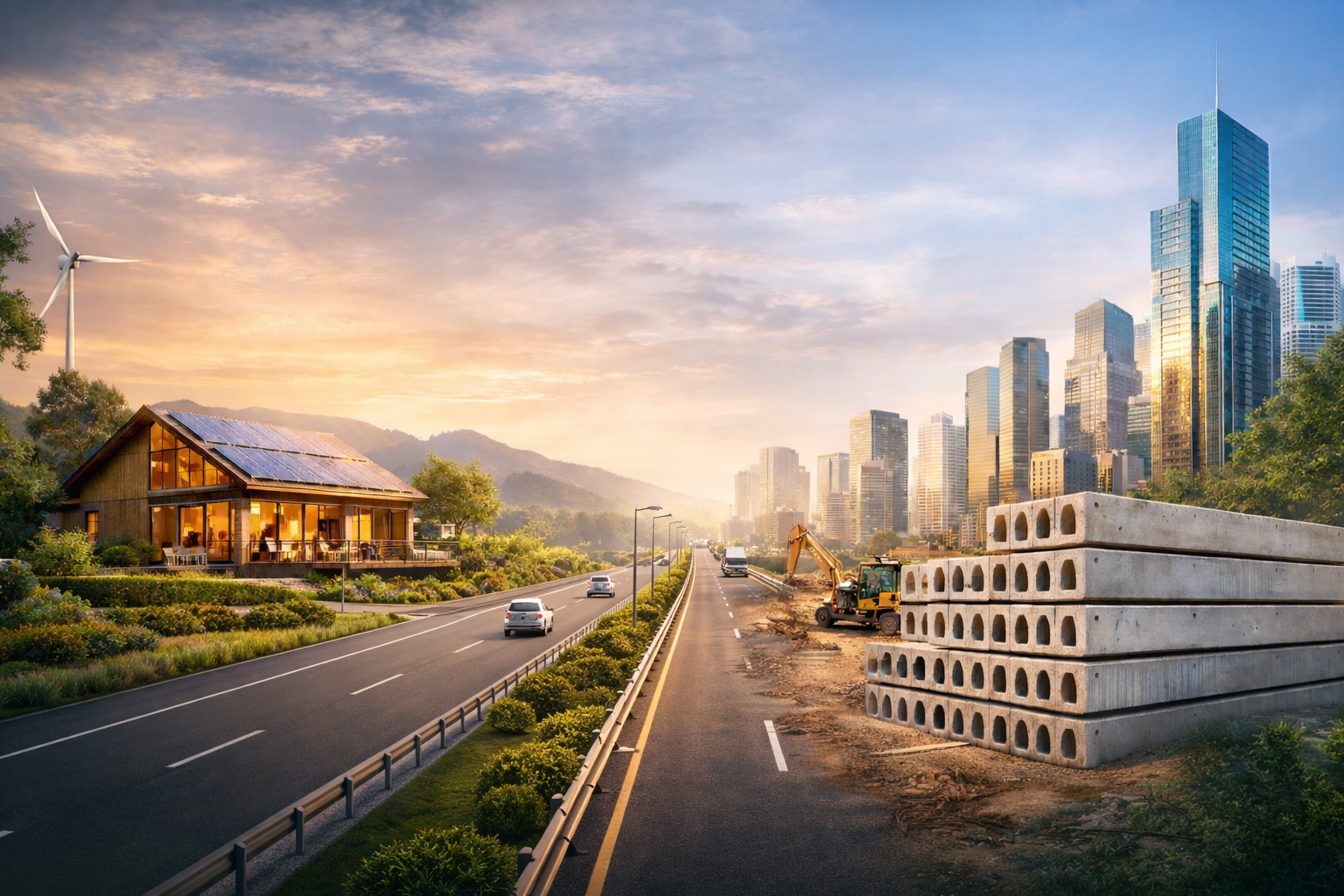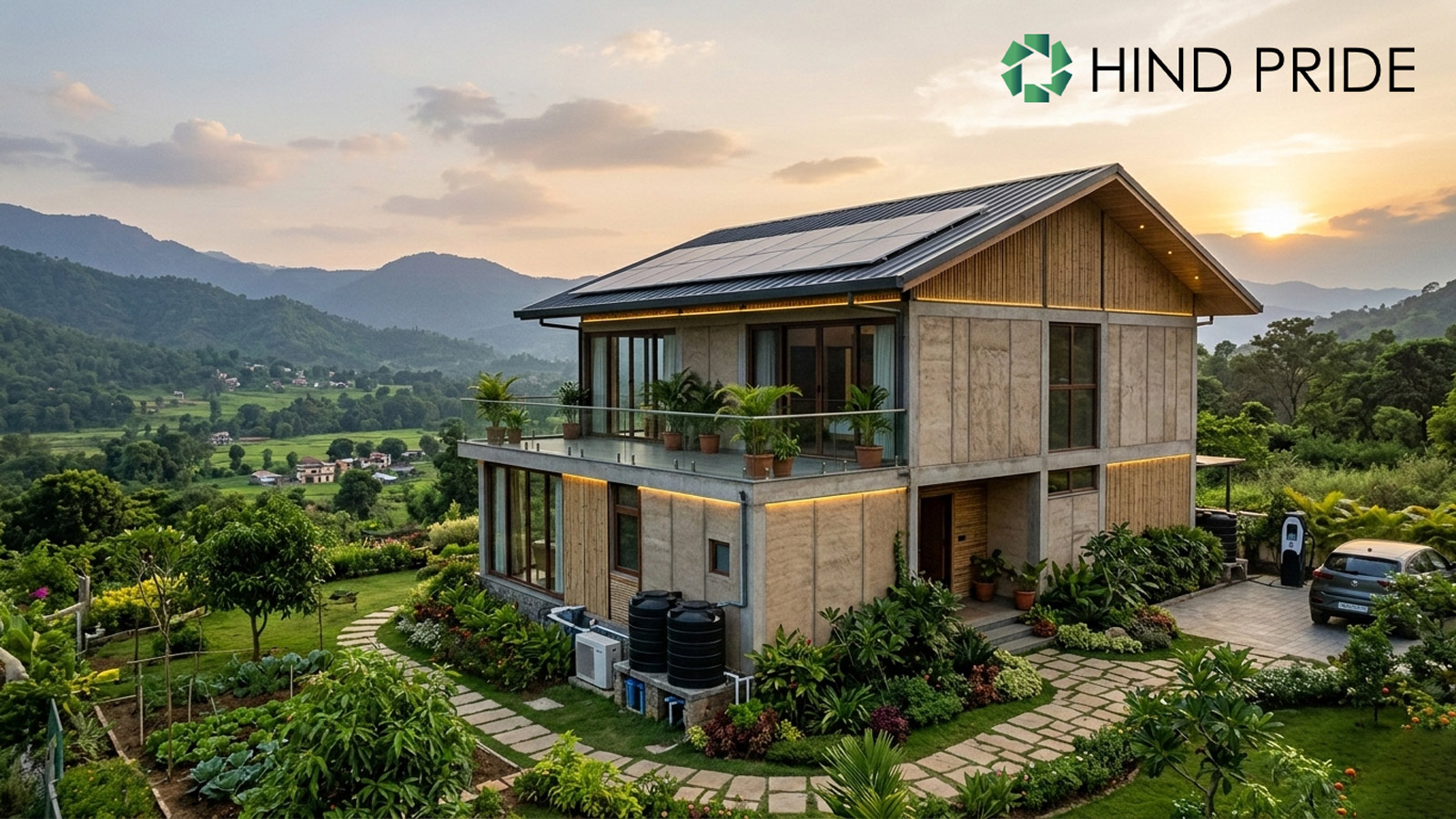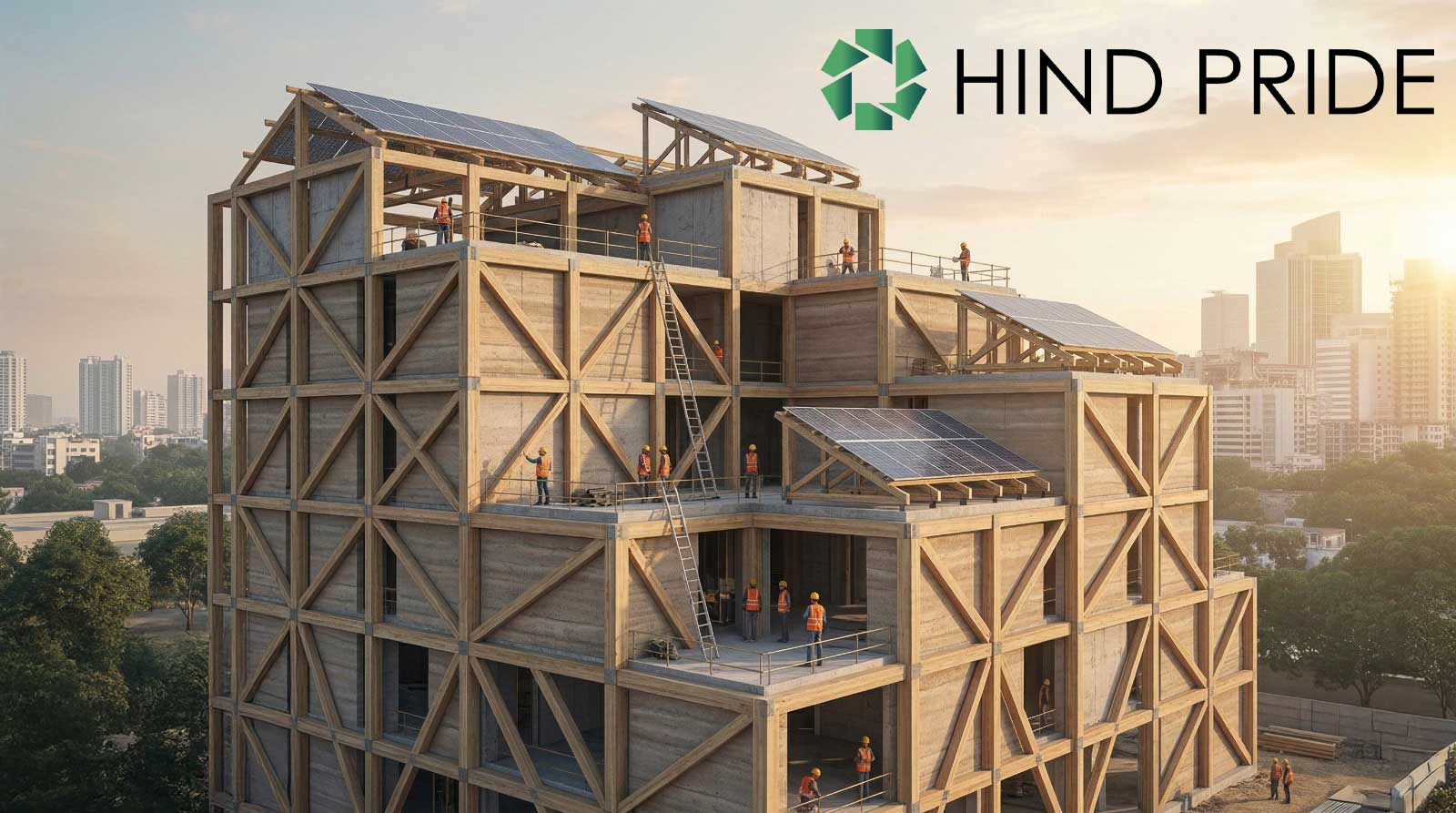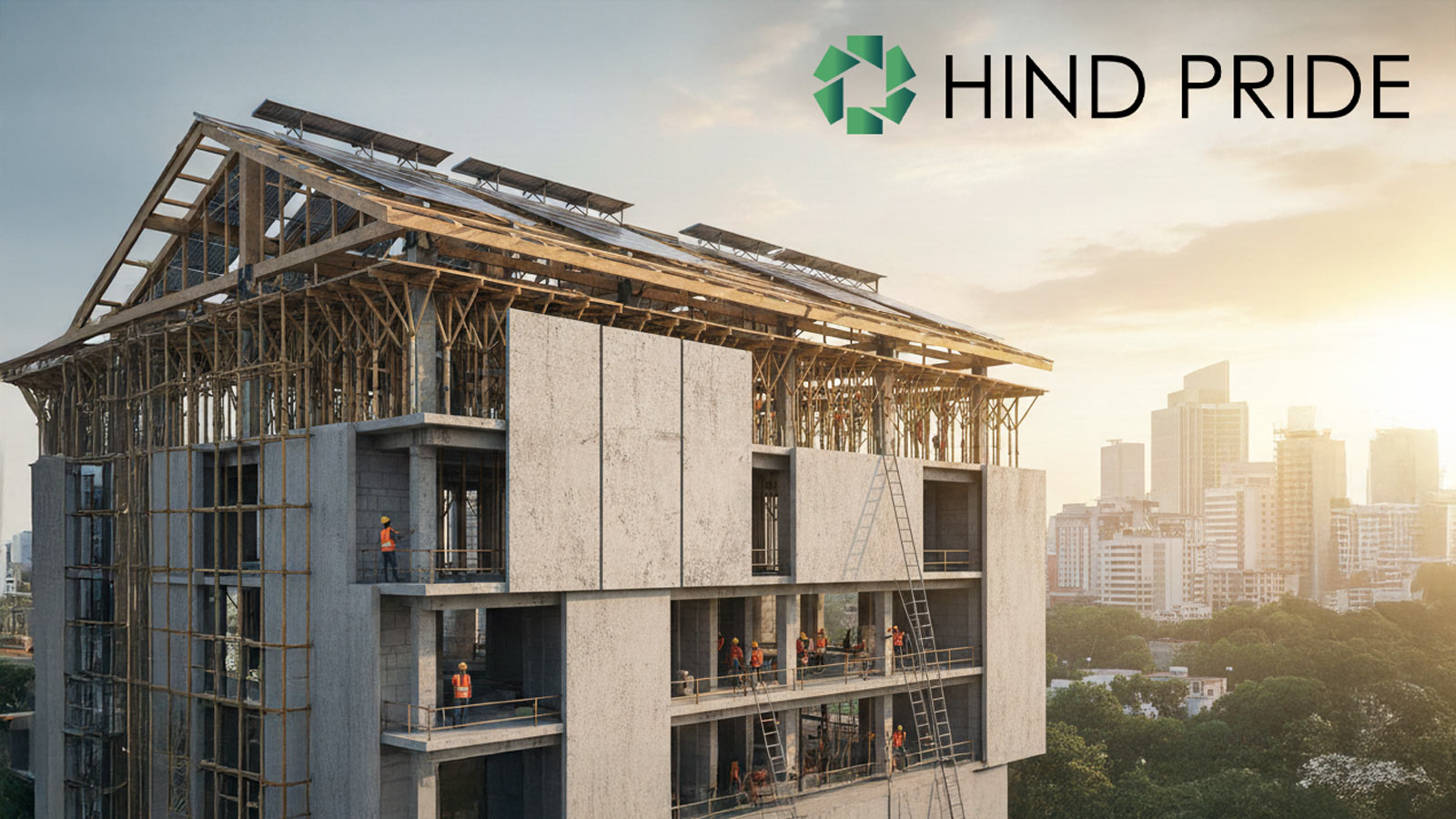
Noida continues to evolve as one of North India’s fastest-growing urban regions. Residential projects, commercial developments, plotted communities, and mixed-use spaces are shaping a modern skyline. Alongside this growth comes an important opportunity: choosing materials that support long-term efficiency, durability, and environmental responsibility.
That is where sustainable building materials in Noida become central to the conversation.
Across the world, the building sector is being re-evaluated not because construction is problematic, but because it holds enormous potential for improvement. According to the UNEP Global Status Report for Buildings and Construction, buildings accounted for 34% of global energy demand and 37% of energy-related CO₂ emissions in 2022.
In rapidly developing urban centres like Noida, this presents a constructive opportunity. By carefully selecting sustainable building materials in Noida, developers and homeowners can reduce lifecycle emissions while improving comfort and long-term asset value.
This article explains how.
Before discussing materials, it is important to understand lifecycle emissions.
A building’s environmental footprint includes:
Globally, operational energy historically formed the largest share of emissions. However, embodied carbon — emissions from materials and construction — is becoming increasingly significant as buildings become more energy efficient.
The International Energy Agency (IEA) highlights that reducing emissions in sectors like cement and steel will be critical to decarbonising construction.
When we talk about sustainable building materials in Noida, we are discussing materials that reduce either embodied carbon or operational energy demand, or both.
Noida’s climate includes hot summers, variable humidity, and significant cooling demand. Buildings that are not thermally efficient require higher air-conditioning loads.
This is not a criticism of the region — it is simply climatic reality. Smart material selection can improve comfort performance.
For example:
The Energy Conservation Building Code (ECBC) developed by India’s Bureau of Energy Efficiency, sets minimum performance standards for energy-efficient buildings.
While ECBC primarily applies to larger buildings, its principles are useful across project scales. Choosing sustainable building materials in Noida aligned with these guidelines supports long-term efficiency.
Concrete is foundational to modern construction. India is one of the largest cement producers globally, and the sector plays a critical role in infrastructure and housing development.
However, cement production is energy-intensive. The IEA explains that lowering clinker content and improving efficiency are key short-term strategies to reduce emissions.
Blended cements such as PPC (Portland Pozzolana Cement) and PSC (Portland Slag Cement) can reduce embodied carbon intensity compared to traditional OPC, depending on formulation and usage.
For projects exploring sustainable building materials in Noida, specifying appropriate blended cement — when structurally suitable — can reduce lifecycle impact without compromising durability.
Structural engineers must determine specifications to ensure safety and compliance.
Walling systems significantly influence operational energy.
AAC Blocks (Autoclaved Aerated Concrete)
AAC blocks are lightweight and provide better thermal insulation compared to traditional clay bricks.
Benefits include:
When integrated properly, AAC can support thermal performance goals. For projects using sustainable building materials in Noida, walling systems should be evaluated based on:
Material choice must align with engineering design and site conditions.
Steel and Structural Efficiency
Steel is highly recyclable and plays a vital role in commercial and industrial construction.
The World Steel Association notes that steel is 100% recyclable and often reused multiple times.
Efficient structural design reduces overall tonnage required. When responsibly sourced, steel can contribute to sustainable construction outcomes.
Selecting sustainable building materials in Noida includes evaluating structural optimisation, not only surface materials.
In hot climates, roofing contributes significantly to heat gain.
Cool roof coatings, reflective surfaces, and roof insulation can reduce internal heat buildup.
Improved roof performance:
For residential and farmhouse developments, roof upgrades are often among the most effective sustainable building materials in Noida decisions.
Windows influence both daylight and heat gain.
Low-emissivity (Low-E) glass can reduce solar heat transfer while allowing visible light. Proper shading design further enhances performance.
For buildings in Noida, where sunlight intensity is high, glazing performance significantly impacts cooling loads.
Thus, fenestration systems are central to sustainable building materials in Noida strategies.
Sustainability is not only about carbon.
Low-VOC paints, adhesives, and sealants reduce indoor air pollutants during and after construction.
Healthy interiors:
Many green frameworks consider indoor environmental quality a core component of sustainability.
India has several frameworks guiding sustainable construction:
1. Energy Conservation Building Code (ECBC)
Minimum energy performance standards.
2. Indian Green Building Council (IGBC)
Provides certification systems for green buildings.
3. GRIHA Rating System
National green building rating tool developed by TERI.
These frameworks encourage responsible material selection and performance-based design.
Projects incorporating sustainable building materials in Noida aligned with such standards often experience improved operational efficiency and long-term value.
While exact reductions depend on project specifics, lifecycle analysis studies suggest that combining:
can result in measurable lifecycle emission reductions.
Research on life cycle carbon assessments in Indian contexts shows that material optimisation combined with operational efficiency can significantly lower total building emissions over time.
Rather than promising fixed percentages, the practical takeaway is that systematic integration of sustainable building materials in Noida meaningfully reduces long-term environmental impact.
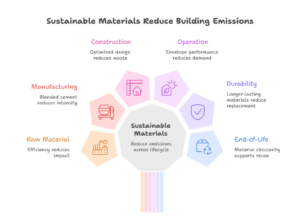
When evaluating sustainable building materials in Noida, consider:
Sustainability is not one product. It is coordinated decision-making.
Energy-efficient buildings often experience:
Global real estate research increasingly links sustainability performance with asset resilience.
Sustainable material decisions in early stages can reduce lifecycle cost variability — a practical benefit beyond environmental metrics.
Myth 1: Sustainable materials are always expensive
Costs vary. Some envelope upgrades reduce long-term operating expenses.
Myth 2: Sustainability is only about solar panels
Solar helps, but material performance reduces baseline energy demand.
Myth 3: Certifications are mandatory
Certifications are optional; principles can be applied independently.
Myth 4: Conventional construction is “wrong”
Construction has enabled economic development. The focus is improvement, not criticism.
As Noida continues growing, construction innovation will likely expand.
Globally, research and policy efforts are focused on:
Urban growth and sustainability can coexist when supported by informed decision-making.
1️⃣ What are sustainable building materials in Noida, and how are they defined?
Sustainable building materials in Noida refer to construction materials that reduce environmental impact across a building’s lifecycle — including extraction, manufacturing, transportation, construction, operation, and end-of-life stages. These materials typically lower embodied carbon, improve energy efficiency, enhance durability, or support healthier indoor environments.
Globally, the need for sustainable construction is well documented. According to the UNEP Global Status Report for Buildings and Construction, buildings account for a significant portion of global energy use and emissions.
In practical terms, sustainable materials are those that improve performance outcomes — not just those marketed as “green.”
2️⃣ Do sustainable building materials in Noida actually reduce electricity consumption?
Yes, when applied strategically. Many sustainable building materials in Noida focus on improving thermal performance — such as insulated roofing systems, AAC blocks, and energy-efficient glazing.
By reducing heat transfer and solar gain, these materials lower cooling loads during hot seasons. Over time, this can reduce electricity consumption for air-conditioning.
India’s Energy Conservation Building Code (ECBC) emphasizes improving building envelope performance to curb energy footprint.
Material selection works best when integrated with design strategy.
3️⃣ How do sustainable building materials in Noida reduce embodied carbon?
Embodied carbon refers to emissions generated during material production and construction. Cement and steel are among the largest contributors.
The International Energy Agency (IEA) highlights reducing clinker content and improving production efficiency as major levers for lowering cement-related emissions.
Using blended cements (like PPC or PSC), optimizing structural design, and sourcing responsibly can lower embodied emissions. Therefore, sustainable building materials in Noida focus on efficiency and optimization rather than eliminating essential materials.
4️⃣ Are sustainable building materials in Noida suitable for residential homes and farmhouses?
Absolutely. In fact, envelope performance is particularly important in low-rise residential structures where roof and wall heat gain significantly affect comfort.
High-performance wall systems, insulated roofing, reflective surfaces, and efficient glazing are commonly used sustainable building materials in Noida that support thermal comfort and long-term durability.
These upgrades often improve livability while reducing maintenance needs.
5️⃣ How can I verify whether materials are genuinely sustainable?
To evaluate sustainable building materials in Noida, consider the following:
Frameworks like IGBC provide structured evaluation systems for green building components.
Verification is essential — sustainability should be measurable.
6️⃣ Do sustainable building materials in Noida increase construction costs?
Costs vary depending on project scale and specification. Some sustainable building materials in Noida, such as better insulation or efficient glazing, may increase upfront investment but reduce long-term operating expenses.
Lifecycle cost thinking is important. Lower cooling demand, reduced repair frequency, and longer service life often offset initial upgrades.
Research in sustainable real estate suggests that performance-oriented buildings can demonstrate improved long-term asset resilience.
7️⃣ What role does ECBC play in selecting sustainable building materials in Noida?
The Energy Conservation Building Code (ECBC) sets minimum energy performance standards for commercial buildings in India.
It addresses:
While ECBC compliance may not apply to all project types, its principles help guide selection of sustainable building materials in Noida that improve energy efficiency and performance consistency.
8️⃣ Are sustainable building materials in Noida only about carbon reduction?
No. While carbon reduction is important, sustainability also includes:
For example, low-VOC paints improve indoor environmental quality, and recyclable steel enhances material circularity.
The World Steel Association highlights steel’s recyclability advantages.
Therefore, sustainable building materials in Noida support broader performance goals beyond emissions alone.
9️⃣ Can sustainable building materials in Noida help reduce lifecycle emissions by around 20%?
Lifecycle emission reduction depends on design, scale, climate, and operational behavior. However, combining:
can significantly lower lifecycle impact.
Studies in lifecycle assessment within Indian contexts show that material and operational optimization meaningfully reduce long-term carbon footprints.
The exact percentage varies, but the integrated use of sustainable building materials in Noida can support measurable reductions.
🔟 How will sustainable building materials in Noida shape future construction trends?
As urban development continues, global and national policy discussions emphasize decarbonisation and energy efficiency.
The building sector is expected to:
The UNEP Global Buildings Report highlights the urgent need for continued improvements in construction efficiency worldwide.
In growing regions like Noida, informed adoption of sustainable building materials in Noida will likely support long-term environmental alignment while enhancing occupant comfort and building resilience.
Construction has always been a reflection of progress. Cities grow, infrastructure expands, and communities evolve because buildings make it possible. In regions like Noida—where residential, commercial, and mixed-use development continues to accelerate—the opportunity is not to slow growth, but to shape it intelligently.
That is where sustainable building materials in Noida become more than a technical decision. They become a long-term strategy.
The global data is clear: buildings remain one of the largest contributors to energy consumption and emissions worldwide. According to the UNEP Global Status Report for Buildings and Construction, the sector accounts for a substantial share of global energy demand and carbon output.
However, this reality does not imply criticism of construction itself. Instead, it highlights the sector’s potential. Because buildings last decades—often 40 to 80 years—every material choice made today influences performance far into the future. Selecting sustainable building materials in Noida means considering how a structure will behave in peak summer heat, how efficiently it will use energy, how durable it will remain, and how comfortable it will feel for occupants over time.
Sustainability, in practical terms, is not about replacing conventional materials with unfamiliar alternatives. Cement, steel, glass, and concrete remain essential to modern construction. The shift lies in optimizing their use—choosing blended cements where appropriate, designing structures efficiently, improving envelope performance, and integrating insulation and glazing systems that reduce cooling demand. The International Energy Agency (IEA) notes that improving material efficiency and lowering clinker intensity are important steps in reducing cement-related emissions
When applied thoughtfully, sustainable building materials in Noida can reduce lifecycle emissions, improve operational efficiency, and strengthen long-term asset resilience—without compromising structural integrity or legality.
It is also important to recognize that sustainability is cumulative. A cool roof alone will not transform a building. Nor will efficient glazing if walls are poorly insulated. The most meaningful results occur when materials, design strategy, and execution align. Frameworks such as India’s Energy Conservation Building Code (ECBC) demonstrate how envelope performance and system efficiency can curb long-term energy demand.
Similarly, voluntary frameworks like IGBC encourage measurable sustainability across materials, water, energy, and site planning.
For Noida, a rapidly modernizing region, this alignment presents opportunity rather than obligation. Buildings that prioritize thermal comfort, durability, and responsible material selection often experience:
None of these outcomes requires radical reinvention. They requirean informed specification.
Looking ahead to 2026 and beyond, construction conversations are increasingly performance-driven. Buyers and investors are asking about insulation values, glazing efficiency, embodied carbon, and lifecycle cost—not just finishes and layouts. As awareness grows, sustainable building materials in Noida will likely become part of standard decision-making rather than an optional upgrade.
The future of construction in Noida is not about building less. It is about building smarter—optimizing materials, aligning with performance frameworks, and designing for decades rather than years.
For those exploring integrated approaches to material efficiency and long-term performance in NCR, Hindpride focuses on combining structural precision, energy-conscious design, and responsible execution practices—ensuring that sustainability is measurable, practical, and aligned with evolving standards.
Because ultimately, sustainability is not a label. It is the result of thoughtful decisions made early—and carried forward responsibly for generations.