The Homes We Build Today Are Not Designed for Tomorrow’s Climate
Over the past decade, one reality has become impossible to ignore—the climate is changing faster than our built environment can adapt. Summers are becoming longer, heatwaves more intense, and urban temperatures increasingly unbearable. Yet, most homes continue to be designed based on outdated assumptions about climate stability.
According to the Intergovernmental Panel on Climate Change, global temperatures have already increased by approximately 1.1°C above pre-industrial levels, and projections indicate that the 1.5°C threshold could be crossed within the next decade.
In India, the situation is even more critical. The India Meteorological Department has consistently reported rising heatwave incidents, with temperatures exceeding 45°C across multiple regions in recent years.
This shift is not temporary—it is structural. And it directly impacts how we design, construct, and inhabit homes.
This is where sustainable home construction becomes essential. It is no longer a niche concept or a lifestyle choice—it is a necessary response to a rapidly evolving environmental reality.
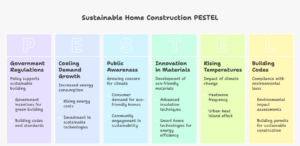
Traditional housing models were designed for a different era—one where climate extremes were less severe, and energy consumption was not a primary concern. Today, these same models are proving inefficient, uncomfortable, and increasingly unsustainable.
Rising Heat and Climate Pressure
India is witnessing a sharp increase in extreme weather events. Heatwaves are becoming more frequent, longer in duration, and more intense. Homes built without climate consideration struggle to maintain comfortable indoor temperatures, often becoming heat traps.
Urban Heat Island Effect
Modern cities are dominated by concrete, asphalt, and glass—materials that absorb and retain heat. This phenomenon, known as the Urban Heat Island effect, can make cities significantly hotter than surrounding rural areas.
According to the United Nations Environment Programme, urban areas can be up to 7°C hotter than nearby regions.
This directly impacts indoor living conditions, making sustainable home construction not just beneficial but necessary.
Energy Dependency Crisis
As temperatures rise, so does dependence on air conditioning. This creates a cycle:
The World Health Organization also highlights the health risks associated with heat stress and poor indoor environments.
Breaking this cycle requires a shift toward sustainable home construction.
While climate change affects buildings, buildings themselves are also a major contributor to the problem.
According to the United Nations:
Source: https://www.unep.org/news-and-stories/press-release/global-buildings-sector-emissions
Additionally, cement production alone contributes around 8% of global CO₂ emissions, making it one of the largest industrial polluters.
The International Energy Agency further emphasizes that without intervention, emissions from the building sector will continue to rise significantly.
This makes sustainable home construction not just a solution—but a responsibility.
Ignoring sustainability is no longer just an environmental issue—it is becoming a financial one.
Increasing Electricity Costs
Cooling demand in India is projected to grow dramatically. The International Energy Agency estimates that cooling demand could increase up to 8 times by 2050.
This means:
Maintenance and Long-Term Costs
Buildings exposed to extreme heat face:
Health-Related Costs
Poor ventilation and high indoor temperatures can lead to:
The World Health Organization links poor housing conditions with increased health risks.
Sustainable home construction directly addresses these challenges by reducing long-term financial and health burdens.
At its core, sustainable home construction is about designing homes that are environmentally responsible, resource-efficient, and climate-responsive throughout their lifecycle.
Passive Design Principles
This includes:
These strategies can reduce indoor temperatures by 2–5°C without mechanical cooling.
Material Innovation
Eco-friendly materials such as:
These materials reduce both heat absorption and carbon footprint.
Energy Efficiency
Integration of:
Water Sustainability
Systems such as:
Organizations like the Bureau of Energy Efficiency and Indian Green Building Council actively promote these practices in India.
One of the most immediate benefits of sustainable home construction is thermal comfort.
Cross Ventilation
Proper airflow design ensures continuous circulation of fresh air, reducing heat buildup.
Insulated Structures
Thermal insulation in walls and roofs prevents external heat from entering indoor spaces.
Reflective Surfaces
Cool roofs and reflective coatings reduce heat absorption significantly.
Together, these strategies:
For investors and decision-makers, sustainable home construction represents a long-term asset strategy.
Market Trends
Globally:
ESG-Driven Investment
Environmental, Social, and Governance (ESG) frameworks are increasingly influencing real estate decisions.
Future Demand
As awareness grows, buyers are prioritizing:
This makes sustainable homes not just environmentally responsible—but economically strategic.
India is gradually aligning its construction practices with global sustainability goals.
Key Initiatives:
These initiatives aim to:
This policy further reinforces the importance of sustainable home construction.
Beyond energy and cost, sustainable home construction has a profound impact on human health.
Benefits Include:
The World Health Organization highlights that healthier indoor environments can significantly reduce disease risks.
The next decade will redefine construction.
Key Trends:
As climate risks increase, sustainable home construction will become the standard—not the exception.
There was a time when sustainable homes were seen as premium or optional. That perception is rapidly changing.
Today:
The shift is clear—sustainable home construction is no longer a choice. It is an inevitability.
1. What is sustainable home construction, and why is it important today?
Sustainable home construction refers to designing and building homes that minimize environmental impact while maximizing energy efficiency, resource conservation, and long-term durability.
It is increasingly important due to rising global temperatures, resource depletion, and increasing energy demand. According to the Intergovernmental Panel on Climate Change, global warming is accelerating, making climate-responsive housing essential for future resilience.
2. How does sustainable home construction help reduce indoor heat during summers?
Sustainable home construction uses passive cooling techniques such as cross ventilation, thermal insulation, and building orientation to reduce heat gain.
These strategies can lower indoor temperatures by 2–5°C naturally, reducing dependence on air conditioning. The United Nations Environment Programme highlights passive cooling as a key solution to combat rising urban heat.
3. What are the key features of sustainable home construction in India?
In India, sustainable home construction typically includes:
Organizations like the Indian Green Building Council provide guidelines and certifications for green buildings.
4. Is sustainable home construction more expensive than traditional construction?
Initially, sustainable home construction may involve slightly higher upfront costs due to better materials and design planning. However, it significantly reduces:
According to the International Energy Agency, energy-efficient buildings result in substantial long-term savings.
5. How does sustainable home construction contribute to environmental protection?
Sustainable home construction reduces carbon emissions, energy consumption, and waste generation.
The building sector contributes nearly 37% of global emissions, as per the United Nations. Adopting sustainable practices can significantly lower this impact.
6. What materials are commonly used in sustainable home construction?
Common materials used in sustainable home construction include:
These materials improve thermal efficiency and reduce environmental impact, aligning with guidelines from the Bureau of Energy Efficiency.
7. Can sustainable home construction improve health and well-being?
Yes, sustainable home construction enhances indoor air quality, natural lighting, and ventilation.
The World Health Organization states that better indoor environments reduce respiratory diseases and heat-related health risks.
8. How does sustainable home construction impact property value?
Homes built using sustainable home construction principles often have higher resale value and demand.
Globally, green-certified homes can command a premium of 5–15%, driven by increasing awareness and energy cost savings.
9. What role does the Indian government play in promoting sustainable home construction?
The Indian government promotes sustainable home construction through:
Key initiatives include the Ministry of Environment Forest and Climate Change and Smart Cities Mission.
Yes, sustainable home construction is becoming the future standard in real estate.
With increasing climate risks, rising energy costs, and growing awareness, both developers and buyers are shifting toward sustainable housing solutions. The transition is not optional—it is inevitable.
The conversation around housing is undergoing a fundamental shift. What was once defined by design, size, or location is now increasingly shaped by climate resilience, energy efficiency, and long-term sustainability. The homes we build today are no longer just physical structures—they are systems that must respond intelligently to a changing environment.
The reality is clear. Climate change is no longer a distant projection; it is a present-day challenge influencing how cities heat up, how energy is consumed, and how people live within built environments. According to the Intergovernmental Panel on Climate Change, limiting global warming requires immediate and large-scale transitions across all sectors, including construction.
In parallel, the International Energy Agency highlights that buildings will play a critical role in determining future energy demand and emissions, especially as cooling needs rise rapidly in countries like India.
This is where sustainable home construction becomes central to the future of real estate. It is not merely about reducing environmental impact—it is about creating homes that are capable of adapting to higher temperatures, managing energy efficiently, and maintaining comfort without excessive dependence on external resources.
Ignoring this shift carries long-term consequences. Homes that are not designed with sustainability in mind will increasingly face:
On the other hand, sustainable home construction offers a forward-looking approach—one that integrates passive design, efficient materials, and renewable systems to create homes that are both resilient and efficient over time.
From a broader perspective, the transition toward sustainable home construction also reflects a deeper change in how value is defined in real estate. Future-ready homes will not be evaluated solely on aesthetics or location, but on how effectively they manage energy, respond to climate conditions, and support healthier living environments.
Global institutions such as the United Nations have already emphasized that transforming the building sector is essential to achieving climate goals, reinforcing the urgency of adopting sustainable construction practices at scale.
The direction is clear—construction is moving toward a model that prioritizes efficiency, resilience, and environmental responsibility. In this context, sustainable home construction is not an alternative approach; it is becoming the foundation of how future homes will be designed and built.
As climates continue to evolve and urban environments become more complex, the question is no longer whether sustainability should be integrated into construction. The real question is how quickly and effectively this transition can happen.
Because ultimately, the homes that will endure are not the ones built for yesterday’s conditions—but the ones designed for the climate we are entering.